Tetrahydrocannabivarin (THCV) is a cannabinoid compound found in cannabis and hemp plants. It's chemically comparable to tetrahydrocannabinol (THC) however with some essential distinctions. Here's whatever you need to learn about THCV consisting of the dangers, advantages, differences, and resemblances with other types of THC and more. What Is THCV? THCV is a less common cannabinoid found in some pressures of cannabis, especially African sativa.
 THCV The Benefits of The Little-Known Cannabinoid
 Tetrahydrocannabivarin - Wikipedia
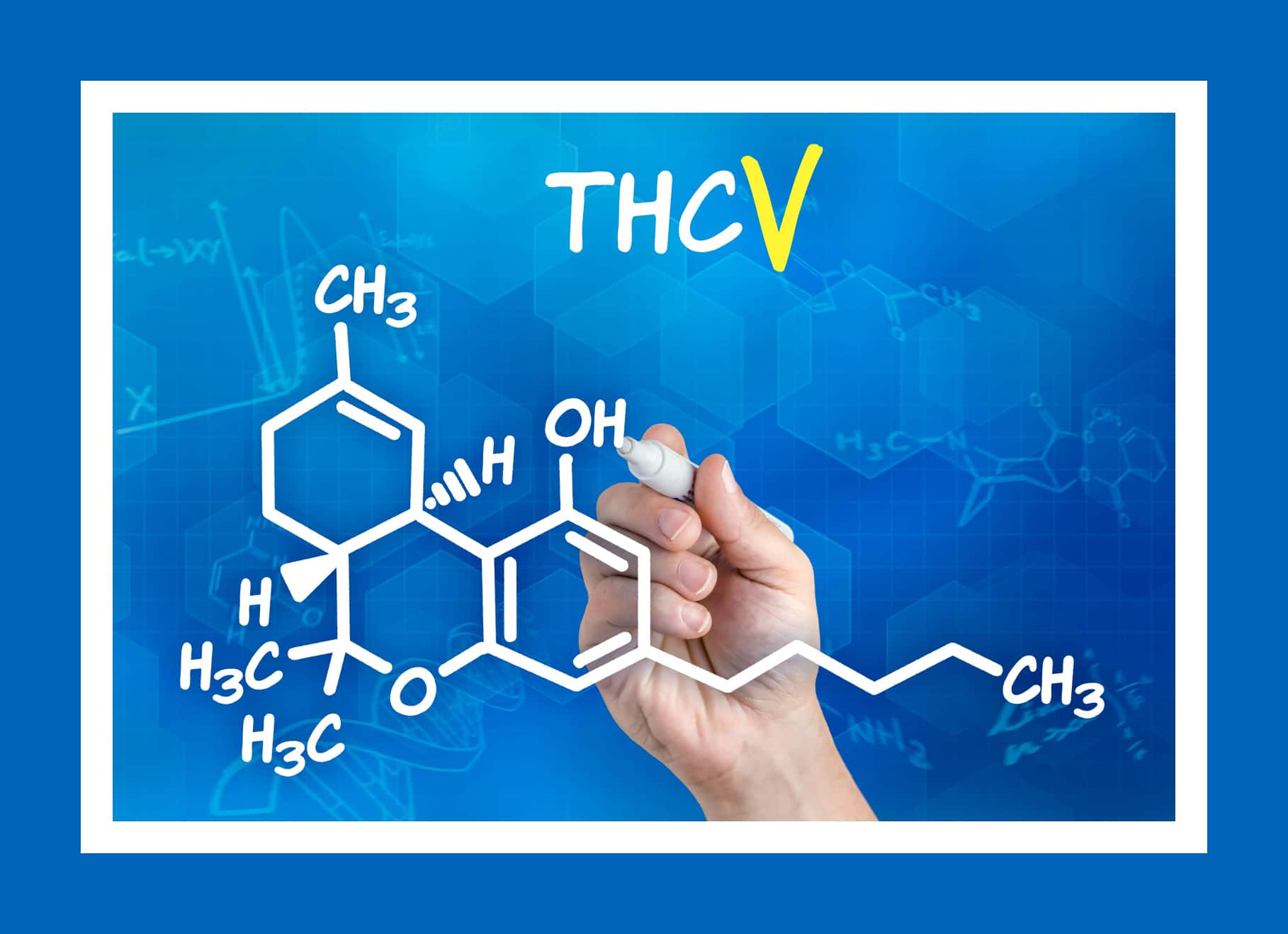 THCV: Everything You Need to Know CannaMD
THCV has a 3-carbon side chain rather than THC's 5-carbon side chain. This difference is subtle, however it has a visible influence on the effect profile. THCV is rather psychoactive however just about and about. What Does THCV Seem like? THCV has a strong energy-boosting element to it, which makes it particularly popular among students and athletes.
In the United States, THCV guideline is nuanced. THCV is not a Schedule I Drug, however marijuana extracts are making it somewhat ambiguous what the federal position is on THCV. The 2018 Farm Costs states that hemp plants and all derivatives of the plants are legal on a federal level, so numerous companies comply with this law and still offer THCV to consumers by just drawing out the compound from hemp plants.
If THCV is considered a THC analog, it might be controlled in the future by the very same rules as THC under the Federal Analog Act. This act specifies that any substance that shares a comparable molecular profile as a recognized prohibited compound it's included in the exact same drug Schedule classification.
What Are the Effects of THCV? Supporters of THCV report that it produces an extreme burst of energy and makes them feel blissful without the mental cloudiness brought on by THC. The results are incredibly moderate compared to THC. The effects are almost specifically cognitive yet somehow have very little influence on headspace.
2. THCV & Cravings Some THCV users declare that it curbs their hunger. This is a typical impact of other focus-enhancing substances. It's as though THCV gets rid of the distraction of other bodily processes (like hunger) in order to maintain resources and attention to cognitive jobs rather. How Does THCV Work? Cannabinoids produce biological results in the human body by engaging with endocannabinoid receptors.
CB1 receptors lie in the worried system and interact with neurotransmitters in the brain to produce mind-altering impacts. Interaction with CB1 sites is what provides some cannabinoids like THC their psychoactivity. THCV is a bit tricky to comprehend because it's mainly a CB1 antagonist, meaning it has the opposite impact as THC.
While researchers are still seeking to comprehend this procedure, it appears THCV has the ability to obstruct the results of CB1 in low doses and promote them in high doses. CB2 receptors are discovered mostly in the immune system. THCV is a partial agonist of CB2, however the results of this partial activity aren't widely known, and it seemingly has no noticeable impact on THCV users' experience.
As discussed in the previous section, THCV is a CB1 villain in low doses which is the specific opposite effect of delta 8 and delta 9 THC. This might indicate that THCV combats a few of the psychoactive impacts of THC. This result could explain why people who use THCV feel so clear-headed specifically compared to the well-known "fogginess" induced by delta 9 THC.